I got an email back in February that made me lean forward and set down my coffee. It was from Shelby Deering, a writer for Good Housekeeping magazine. She was curious if I had any past projects that showcased neuroinclusive design, spaces specifically created to support sensory needs, focus, and emotional grounding.
As a designer, I believe our homes should do more than just look beautiful; they should act as a nervous-system reset. That idea hasn’t historically made it into mainstream national publications, (ones not built around ADHD, psychology, or neurodivergence anyway), so seeing Good Housekeeping cover it felt like a real shift in where the design industry is headed.
When Shelby asked, two specific projects immediately came to mind. Both were rooted in the idea of creating sanctuary.
The Grounded Retreat
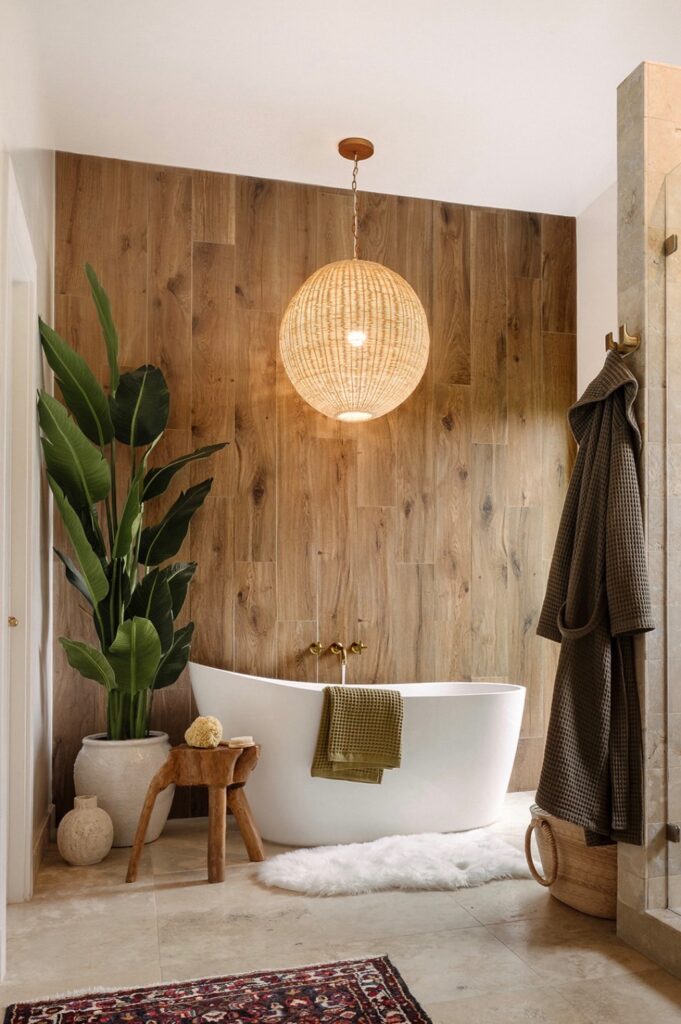
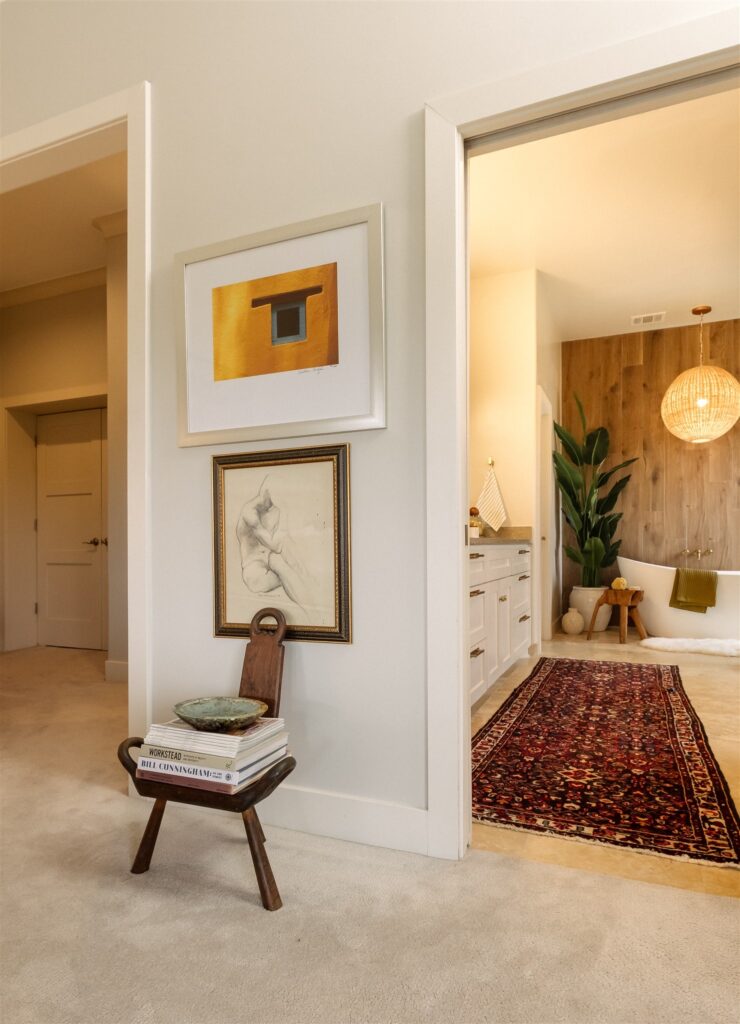
The first project was a master bedroom and bathroom renovation for a couple who needed their home to be a high-functioning “calm zone.” When the rest of life feels constantly “on,” our private spaces have to give us a place to power down.
For this duo, we focused on functional grounding. This meant:
- Rhythmic Lighting: Installing layered, dimmable lighting to help the brain transition from the energy of the day to the rest of evening
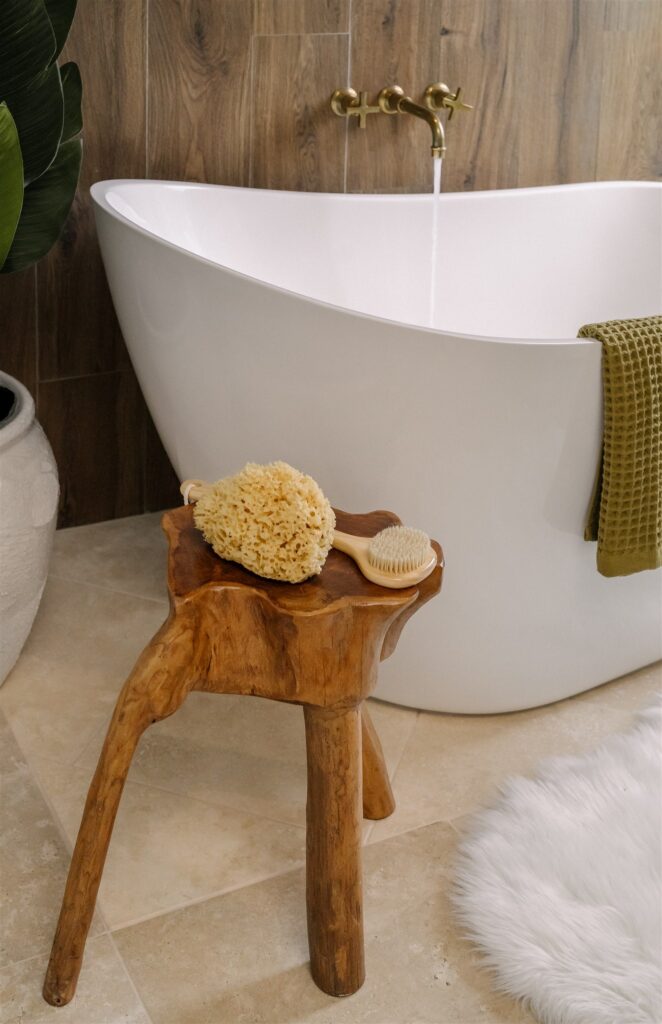
- Tactile Consistency: Using linen, wool, natural stone, wood, and living brass finishes to ground the rooms in organic textures & shapes
- Zoned Organization: Creating a bathroom layout where every item had a dedicated, hidden home to reduce visual “noise” and morning chaos
A Sensory Castle
The second project was closer to the heart, a bedroom redesign for a young girl who was struggling significantly with textures and sensory processing. To her, the world often felt too loud, too scratchy, and too bright.
What she needed was something closer to a castle. We worked closely together to select:
- The “Right” Textures: We auditioned dozens of fabrics, eventually landing on a variety that felt safe to her skin.
- A Color Sanctuary: Moving away from overstimulating primaries toward a palette of soft, receding hues. Working with muted colors of nature is a simple but impactful change.
- Safety in Scale: Designing a custom book-nook that felt enclosed and secure, a true fortress where she could decompress when the outside world felt like too much. Adding a princess canopy to her bed increased this “tucked” feeling that is often so comforting.
More Than Just Pretty Design
As I went back through the project photos to send to Shelby, I found myself re-reading the notes and testimonials from these clients. Seeing the photos again reminded me of the specific “why” behind every tile and textile choice.
When I hit “send” on that email to Good Housekeeping, I felt a deep sense of pride in the finished rooms, and in the fact that these stories might help other readers realize that their home can be adjusted to fit their brain, rather than the other way around.
The feature went live in the May/June 2026 issue, you can read it here. And if you’ve ever felt like your home was working against you, I hope this piece is the start of you realizing it doesn’t have to.